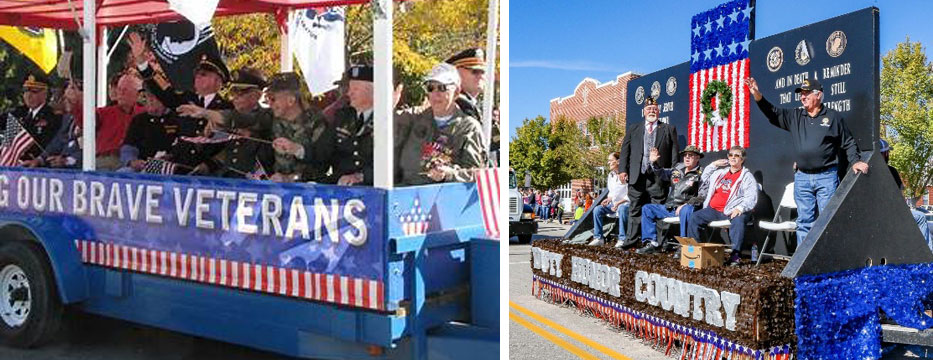
Veterans Day parades matter because they give a community a visible, shared way to say “we remember” and “we’re grateful.” When neighbors line the streets, wave flags, and listen to marching bands and speeches, they’re not just watching a celebration, they’re participating in a civic tradition that reminds us freedom and security have a human cost. A parade turns appreciation into action by gathering families, students, local leaders, and veterans in one place, strengthening community pride and passing down stories that shouldn’t be forgotten.
These parades also honor both current and past service members in a way that feels personal and public at the same time. Seeing veterans walk or ride through town—sometimes wearing medals, sometimes simply standing tall—puts real faces to the sacrifices often discussed in abstract terms. It recognizes those who served decades ago, those who recently returned home, and those still serving today, showing that their commitment is valued across generations. For many veterans and their families, that recognition can be meaningful: it says their service is seen, their experiences matter, and their community stands with them.
Veterans Day should be celebrated because honoring service is part of being an engaged and respectful American community. A parade is not only a tribute; it’s a reminder to support veterans beyond one day—through listening, volunteering, hiring, and ensuring they have access to the care and opportunities they earned. By celebrating Veterans Day together, we reaffirm our shared responsibility to remember the past, appreciate the present, and build a community that treats service and sacrifice with the dignity they deserve.